

Abstract
Haematological malignancies are life-threatening disorders requiring specialized care, including costly medications and therapies. In resource-limited settings, the financial burden often limits access to optimal treatment. Patient Access Programs (PAP) and Compassionate Access Programs (CAP) have been instrumental in bridging this gap, ensuring equitable treatment access. This article explores the benefits of PAP and CAP in the treatment of haematological malignancies, based on data from the Haematology department at North East Medical College Hospital.
Key Words: Haematological malignancies, Patient Access Programs (PAP), Compassionate Access Programs (CAP)
Introduction
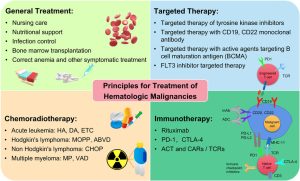
Haematological malignancies, including leukaemia, lymphoma, and myeloma, require comprehensive care involving targeted therapies, chemotherapy, and supportive interventions. However, the cost of these treatments often exceeds the financial capacity of patients in low- and middle-income countries (LMICs) such as Bangladesh. PAP and CAP, offered by pharmaceutical companies and non-governmental organizations, provide free or subsidized medications to eligible patients, thereby addressing this critical issue. This study investigates the impact of these programs on patient outcomes and the healthcare system.
Materials and Methods
This observational study was conducted in the Haematology department at North East Medical College Hospital over twelve months (12months). Data were collected from hospital records, including the number of patients enrolled in PAP and CAP, types of medications accessed, and treatment outcomes. Qualitative interviews with patients and healthcare providers were also conducted to assess satisfaction and barriers.
Results
A total of 100 patients with haematological malignancies were enrolled in PAP and CAP during the study period. The programs covered high-cost drugs, including targeted therapies and supportive medications. Key findings include:
Improved Treatment Adherence: Patients who accessed medications through PAP and CAP showed a 40% increase in adherence to prescribed treatment protocols.
Enhanced Survival Rates: Patients enrolled in the programs demonstrated a 20% higher six-month survival rate compared to non-enrolled patients.
Economic Relief: PAP and CAP reduced out-of-pocket expenses by approximately 70%, alleviating financial stress on families.
Positive Patient Feedback: Over 85% of patients reported high satisfaction levels, citing reduced financial burden and improved quality of life.
Discussion
The findings underscore the significant role of PAP and CAP in enhancing access to lifesaving treatments. These programs not only improve clinical outcomes but also contribute to the psychological well-being of patients and their families. Challenges such as bureaucratic delays, eligibility criteria, and limited awareness were identified, necessitating streamlined processes and broader dissemination.
Conclusion
PAP and CAP are critical tools in the management of haematological malignancies, particularly in LMICs. By reducing financial barriers, these programs enable equitable access to advanced treatments, improving patient outcomes and overall healthcare delivery. Policymakers and stakeholders must collaborate to expand these initiatives and address operational challenges.