

Dear Citizens & Community,
I write to you with grave concern about a growing threat to public health that is silently but steadily affecting our families, our neighbours, and our future generations. The misuse and overuse of antibiotics by certain medical assistants—who are not qualified physicians—is not just a matter of malpractice, but a dangerous game being played with human lives.
It has come to our attention that in many cases, antibiotics are being prescribed irrationally under the direct influence of pharmaceutical companies. These companies, in exchange for financial gain or incentives, are encouraging non-physician prescribers to use high-end antibiotics such as Meropenem and Piperacillin-Tazobactam—powerful medicines that should be reserved only for critical conditions and under the supervision of trained doctors.
Take, for example, the recent treatment of a patient suffering from just a 3-day fever. Instead of a proper clinical evaluation and necessary investigations, the patient was administered injectable Meropenem and Piperacillin-Tazobactam by a medical assistant (DMF), Mr. Madhab Kumar Deautta. Such reckless decisions contribute to the rise of antibiotic resistance—a looming global threat where even the most powerful drugs become ineffective against simple infections.
DMF Madhab Kumar Deautta
Medical Assistant (Not a registered physician)
[No BMDC registration]
[Name of Pharmacy or Chamber – Informal Setting]
📆 Date: 12/04/2025
👤 Patient Name: Sultan Hawlader
🧍♂️ Age/Sex: 70 years / Male
Chief Complaint: Fever for 3 days
(No detailed history taken. No clinical examination recorded. No investigations advised.)
❌ Prescription:
💉 Inj. Meropenem 1 gm IV – Twice daily for 5 days
💉 Inj. Piperacillin-Tazobactam 4.5 gm IV – Thrice daily for 5 days
💊 Tab. Pantoprazole 40 mg – Once daily
💊 Tab. Paracetamol 500 mg – Every 6 hours
🔬 No relevant diagnostic tests advised
🩺 No documented physical examination
📝 No follow-up or referral to a physician
⚠️ Critical Issues with This Prescription:
- Overuse of last-line antibiotics (Meropenem & Piperacillin-Tazobactam) for an undiagnosed, likely viral fever.
- No justification for injectable therapy.
- No history, examination, or investigation to support diagnosis or treatment.
- Prescribed by non-physician (Medical Assistant), violating medical ethics and national regulations.
- No mention of allergy history, vitals, or clinical findings.
The Consequences of Irrational Prescriptions:
#Antibiotic Resistance: Once a bacteria becomes resistant, infections become harder to treat, leading to prolonged illness, increased hospital stays, and higher mortality.
#Financial Burden: Expensive and unnecessary drugs drain the limited resources of poor families.
#False Hope: Patients believe they are receiving the best treatment, while in reality, they are being exposed to inappropriate care.
#Ethical Collapse: When profit takes priority over patient safety, the very foundation of healthcare is shaken.
Why This Is Happening:
- Lack of regulation and monitoring.
- Influence of aggressive pharmaceutical marketing.
- Inadequate public awareness.
- Absence of accountability for non-physician prescribers.
What We Can Do Together:
- Raise Awareness: Educate our community about the dangers of antibiotic misuse.
- Demand Regulation: Call on the authorities to strictly monitor and control the prescription practices of medical assistants.
- Empower the Public: Encourage patients to ask questions about the drugs they are being given.
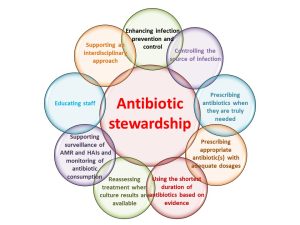
- Support Ethical Practice: Promote rational prescribing, evidence-based medicine, and discourage pharma-led incentives in prescription.
- Protect the Future: Remember, every misuse of an antibiotic today risks the lives of tomorrow’s children.
- The Role of Responsible Journalism in Public Health: Journalism is the mirror of society. A responsible and conscious journalist should highlight the existing problems in the community and play a constructive role in addressing them. When it comes to sensitive fields like medical science, it is essential to seek expert opinions and guidance from qualified physicians while preparing investigative reports. A single piece of misinformation can cause confusion, whereas accurate reporting can guide and benefit the public.
To serve the welfare of the people, it is both timely and necessary to conduct investigative journalism on issues such as irrational antibiotic use, counterfeit medications, unqualified practitioners, and unethical practices in healthcare. Such reporting, rooted in facts and professional consultation, can significantly contribute to raising public awareness and promoting accountability in the healthcare system. By taking these steps, journalists can truly uphold their responsibility to society and protect public health.
Let us not remain silent as spectators to the destruction of our own people. Let us stand against unethical practices, prioritize patient safety, and build a healthier society.
Further reading:
- Guideline on Antimicrobial Consumption (AMC) Surveillance in Bangladesh.
- ANTIBIOTICS PRESCRIPTION PATTERN IN RURAL AREA OF BANGLADESH https://journals.innovareacademics.in/…/view/29437/16271
- Motivating antibiotic stewardship in Bangladesh: identifying audiences and target behaviours using the behaviour change wheel. https://bmcpublichealth.biomedcentral.com/…/s12889-021…
- National Anti-microbial stewardship QI framework Initiative.https://qis.gov.bd