Background and Aims:
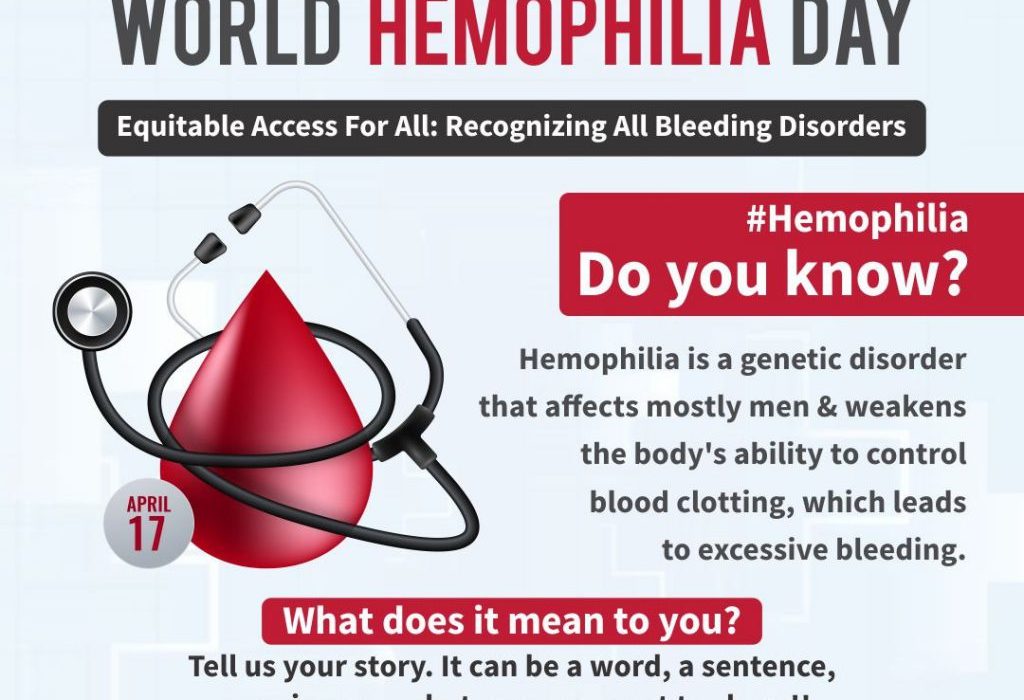
Haemophilia is a rare bleeding disorder that poses significant health and social challenges, especially in low-income countries where stigma and misconceptions hinder effective management. Stigma leads to social isolation, discrimination, and psychological distress among patients and caregivers, while also impacting healthcare access and treatment adherence. This study aims to explore the stigma associated with haemophilia management and its impact on patients, caregivers, and healthcare providers at two tertiary care hospitals in Sylhet, Bangladesh.
Methods:
A qualitative study was conducted through semi-structured interviews with 30 haemophilia patients, 20 caregivers, and 10 healthcare providers from the two tertiary hospitals. Participants were selected using purposive sampling. The interview questions focused on experiences of stigma, its social and psychological effects, barriers to treatment, and perspectives on improving haemophilia care. Thematic analysis was performed to identify key patterns and insights into stigma and its consequences.
Results:
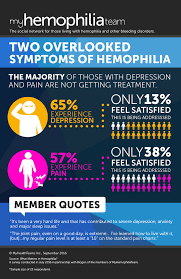
The study revealed that haemophilia patients and caregivers experience widespread stigma, often leading to social exclusion and emotional distress. Many patients reported reluctance to disclose their condition due to fear of discrimination, while caregivers faced social judgment and lack of support from the community. Stigma negatively impacted treatment-seeking behaviour, with some patients delaying or avoiding medical care due to fear of being labeled as burdensome. Healthcare providers noted that stigma contributed to decreased patient compliance, making it difficult to ensure effective disease management. Furthermore, lack of community awareness and misconceptions about haemophilia led to the spread of misinformation, exacerbating stigma. While some educational initiatives exist, they are limited in scope and require expansion.
Conclusions:
Stigma remains a critical barrier to the effective management of haemophilia in low-income settings. Addressing this issue requires comprehensive awareness programs to educate the public and reduce misconceptions about the disorder. Strengthening community engagement, enhancing healthcare provider training, and implementing policy-level changes to improve access to care are essential steps toward reducing stigma and improving the quality of life for haemophilia patients. Future research should focus on developing targeted interventions to mitigate stigma and enhance haemophilia care in resource-limited countries.
Key Words:
Haemophilia, Stigma, Healthcare barriers, Quality of life